Carpet Water Damage in Henderson, NV, Repaired the Right Way
We repair carpet water damage in Henderson, NV, by replacing soaked pad, re-stretching loose carpet and patching ruined spots once everything is dry.
10+ Years of Experience
Repair Instead of Replace
Seamless Carpet Matching
Free Photo Estimates
Did a burst water heater soak the carpet in your Henderson home?
Is your carpet rippling and buckling after it got wet?
Has a musty smell lingered since your carpet dried out?
Did a monsoon storm push water under your sliding glass door?
Worried your carpet is ruined after the plumber fixed a slab leak?
Has your washing machine leaked and left a soggy spot in the next room?
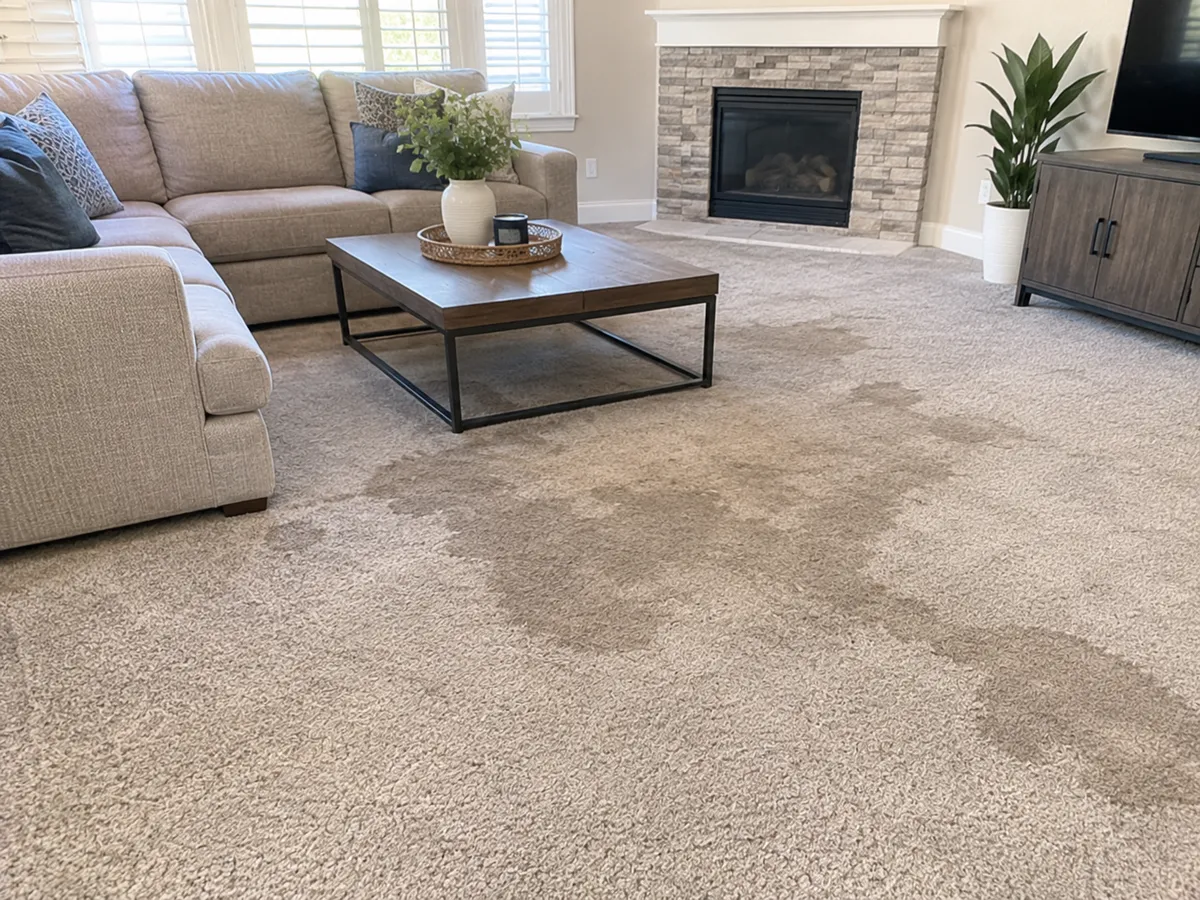
Get Your Home Back to Normal With Professional Carpet Water Damage Repair in Henderson
Once the leak is fixed and the area is dry, Carpet Repair Henderson replaces the soaked pad, flattens buckled carpet, and patches any ruined spots. In many cases, we can save your carpet instead of tearing it all out, so your floors look and feel like home again.
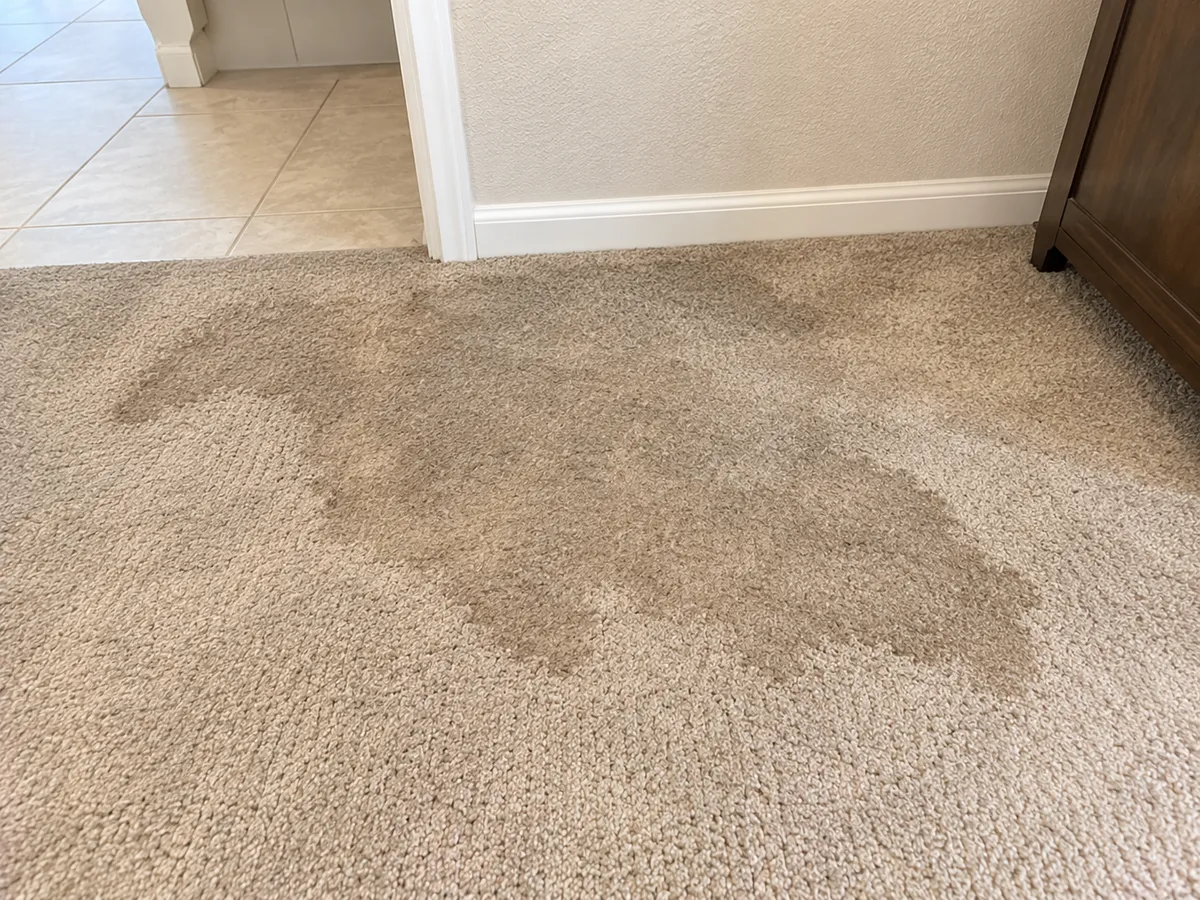
Common Problems We Fix
Soaked or damaged pad: Padding that stayed wet after a leak and now needs replacing to stop odors and mold.
Buckled or rippled carpet: Carpet that loosened and bunched up after getting wet and drying out.
Water-stained or ruined spots: Areas left stained or damaged by the leak that won’t come clean.
Carpet pulled back during drying: Carpet lifted by a restoration crew that needs to be stretched and re-secured properly.
How We Fix It
First, Carpet Repair Henderson checks that the leak has been fixed and that the floor underneath is fully dry, since putting carpet back over damp flooring can lead to mold. Then we pull back the affected carpet, remove the damaged pad, and replace any tack strips that were ruined by the water. Next, we install fresh pad and use a power stretcher to pull your carpet tight and lock it back into place. If any spots are stained or damaged beyond cleaning, we patch them with matching carpet so the whole floor looks whole again.
What To Expect
Most water damage repairs take a few hours, depending on the size of the area and how much pad needs replacing. You can walk on your carpet as soon as we’re done. We’ll look at the damage with you first and let you know honestly whether your carpet can be saved, along with a clear price before we start. If the leak was large or involved sewage, we’ll recommend a water restoration company first, then come back to finish the carpet once everything is dry and safe.
What Happens to Carpet After Water Damage
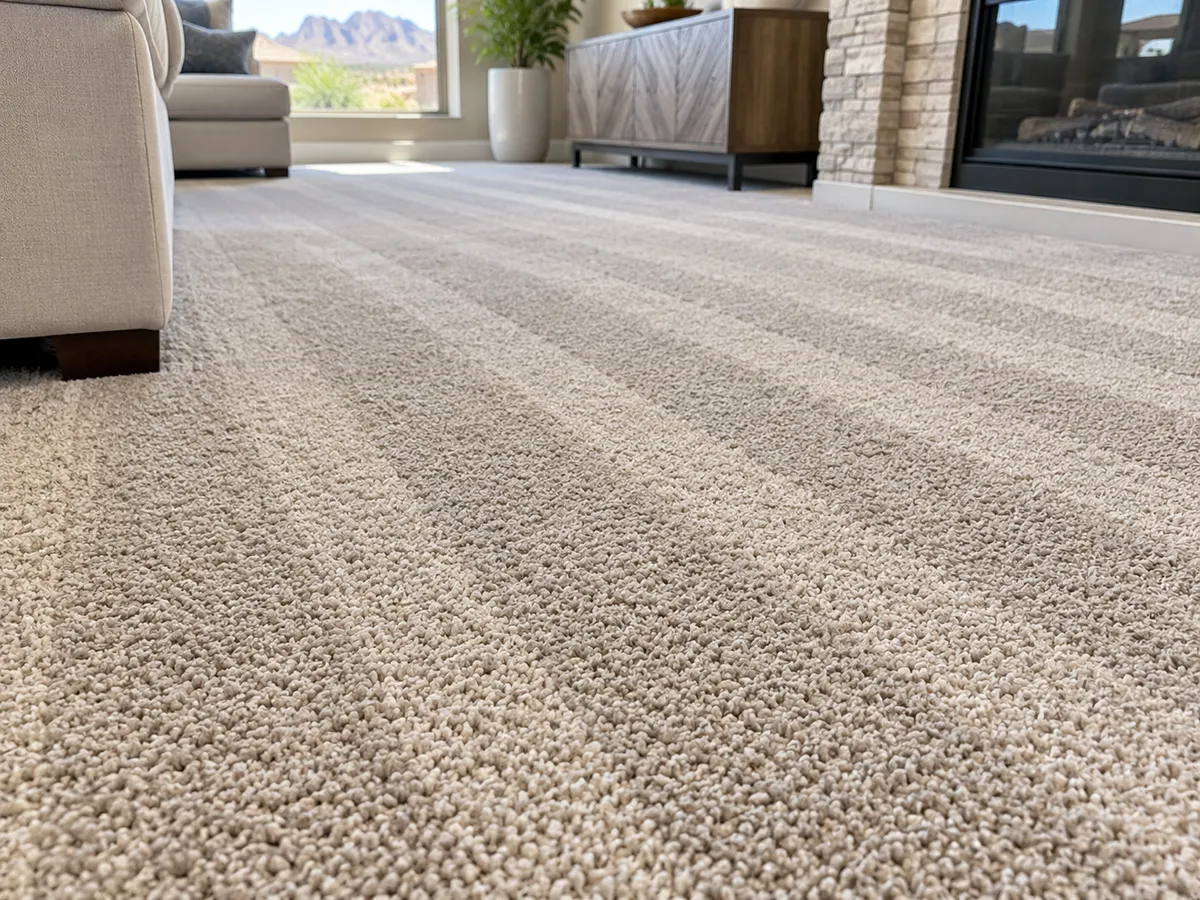
When water soaks into carpet, the biggest problem is usually what you can’t see. The pad underneath acts like a sponge, holding moisture long after the top of the carpet feels dry, and that hidden dampness can lead to musty odors and mold. According to the EPA, wet materials should be dried within 24 to 48 hours to help prevent mold from growing. Water can also loosen carpet from its tack strips and weaken its backing, leaving ripples, buckles and stains behind. In Henderson, leaks often come from water heaters, washing machines, slab leaks and summer monsoon storms. Carpet soaked by clean water can often be saved if it’s handled quickly, but carpet hit by sewage usually needs to be replaced.
Carpet Repair Henderson has been helping families recover from water damage across Henderson and Las Vegas for 10 years. Once the leak is fixed and everything is dry, we replace the soaked pad, swap out damaged tack strips, and power-stretch your carpet back into place so it lies flat and tight. We’ll tell you honestly whether your carpet can be saved, and when it can, we save you the cost and hassle of new carpet. With clear pricing and careful, clean work, we help get your home back to normal after a stressful leak.
Let's Get Your Carpet Back On Its Feet
If a leak, burst pipe or monsoon storm left your carpet soaked, buckled or stained, Carpet Repair Henderson can replace the damaged pad and stretch your carpet back into place once everything is dry. Getting started is simple: send us a photo of the damage, and we’ll let you know honestly whether your carpet can be saved, with a free estimate.
Frequently Asked Questions
Is there a way to get rid of mold growing in my carpet?
Sometimes, but often the carpet can’t be saved. The EPA warns that porous materials that are wet and have mold growing on them may have to be discarded. A small surface spot caught early may be cleanable, but mold that has spread into the pad usually means the carpet and pad need to be replaced. Either way, find and fix the water source first, or the mold will come back.
What’s the fastest way to dry out soaked carpet?
Speed is everything. The EPA’s advice is to remove the water with a wet vacuum, pull the carpet and pad off the floor, and dry them with a fan blowing air over them. Lifting the carpet matters, because unless the carpet is very thin with no pad, exposing both sides for drying is very important. A dehumidifier speeds things up even more.
How long will it take my wet carpet to dry completely?
Longer than it looks. The top of the carpet often feels dry well before the pad and floor underneath. Drying time depends on how much water soaked in, the airflow, and the humidity, so don’t judge by touch alone. Experts recommend using a moisture meter to make sure the floor is dry before putting the carpet back.
How can I tell if there’s mold in my carpet?
Look for color first. On carpet, mold can show up as green, gray, black or white patches. Other warning signs include visible discoloration, damp carpet, and lifted carpet. Don’t rely on smell alone, because an industrial hygienist notes that sometimes there may or may not be a musty odor associated with the carpet.
Could mold be growing under my carpet where I can’t see it?
Yes. Moisture often hides underneath, because carpet can stay wet underneath for days without showing visible surface moisture. The pad and subfloor can stay damp long after the top feels dry, which gives mold a place to grow. That’s why lifting the carpet to check is so important after any leak.
My carpet smells musty after getting wet. How do I fix that?
A musty smell is a warning sign, not just an odor problem. A musty or damp smell can indicate that mold is growing somewhere out of sight. Air fresheners and carpet powders only cover it up. The real fix is finding where the moisture is trapped, usually in the pad, and getting it fully dry or replaced.
Should I be worried about mold in my carpet?
It’s worth taking seriously. People who are sensitive to mold may experience sneezing, stuffy nose, wheezing, or red, itchy eyes or skin. If anyone in your home has allergies, asthma or a weakened immune system, leave the cleanup to the pros. If you’re having health symptoms, talk to your doctor.
Why is my carpet wet when nothing was spilled?
A wet spot with no spill almost always means a hidden leak. Air handler drip pans that overflow or cracked condensate lines frequently wet carpets in closets or along interior walls, and washing machines, dishwashers, refrigerators with ice makers, and water heaters can leak. In homes built on concrete, slab leaks are extremely difficult to detect without professional equipment. Call a plumber to find and fix the source first, then we can repair the carpet.
Is it safe to run a vacuum over wet carpet?
Not a regular vacuum. Household vacuums are made for dry dirt, and when water gets inside, it can short-circuit the motor, cause electric shock, or permanently damage the unit. A wet/dry vacuum made for water is the right tool, but timing matters. The EPA says wet vacuums should be used only when materials are still wet, otherwise they may spread mold spores.
How can I pull water out of my carpet if I don’t have a wet vac?
Press thick towels into the wet area and stand on them to soak up as much water as you can, swapping in dry towels as you go. Keep going until the towels come up barely damp. Many hardware stores also rent carpet extractors, which pull out far more water than towels can.
Carpet Repair Henderson
Phone: (725) 338-4482
Email: i[email protected]
Service Area: Henderson & Las Vegas, Nevada
Hours: Mon-Sat: 8:00am-5:00pm

© Copyright 2026. | Carpet Repair Henderson | All rights reserved.